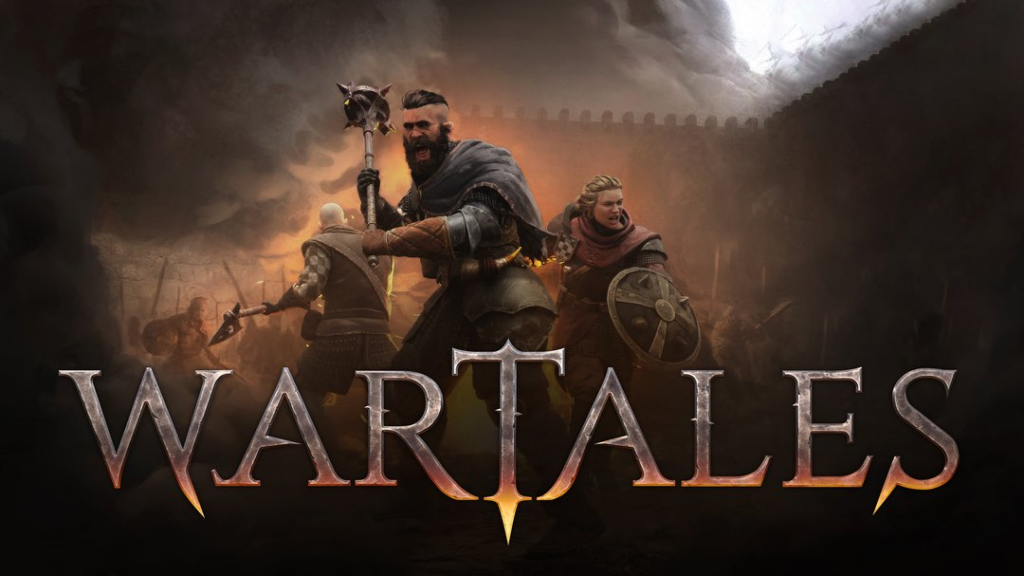
Waving the White Flag – Wartales

On the surface, Wartales looks a lot like other games I like. I enjoy large-scale simulations, I like fiddly minigames with bonus rewards, I love RPGs, and I even sometimes play tactical games.  But in the end I stopped playing Wartales before getting to the second town, waving the white flag of freedom after 15 hours.

There are a few different reasons for this. One is that it’s not possible to focus on just a single aspect of the game. While you have the freedom to, for example, forge weaponry for your squad using the blacksmith “profession”, the materials required to do it must either be purchased in limited quantity or mined from nodes that respawn at unpredictable intervals and are spread throughout the map.  While traveling between those spots, you’ll be accosted by brigands or boars, forcing battles that are unavoidable and unskippable. So yes, you can forge equipment, and you should forge equipment since it’s so useful, but you can make maybe two or three pieces every few hours of gameplay before you need to spend more time traveling and fighting. →  It’s not you, it’s me.

Eiyuden Chronicle: Hundred Heroes

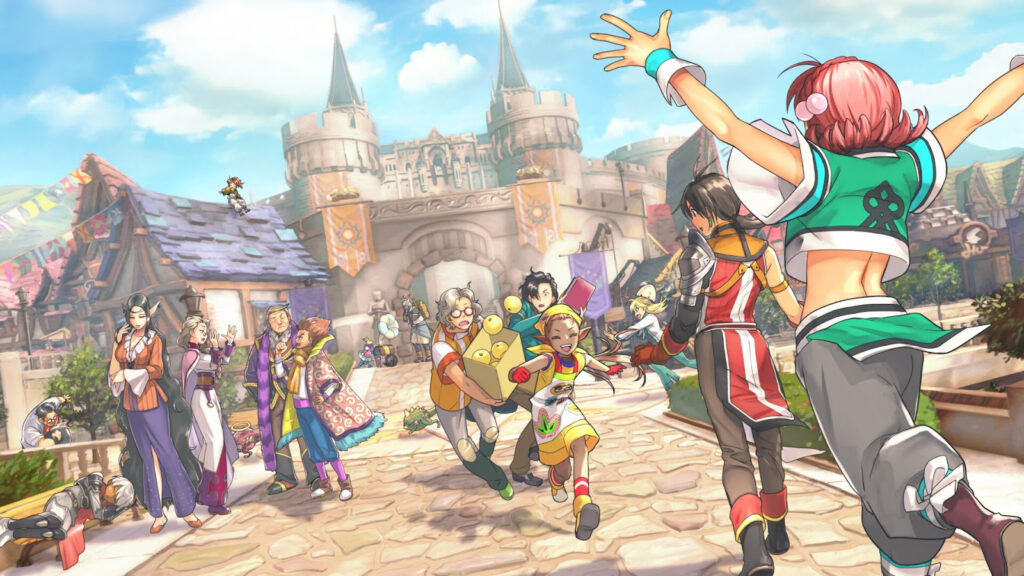
It’s hard to confine everything I felt as I played Eiyuden Chronicle: Hundred Heroes to a single post. Or even to the written word. A mixture of relief, frustration, sadness, and joy in different measures and different times will have to do. It took me months to gather my thoughts enough to write about it and months more to refine it and each time I have revised I’ve felt a little different.

Here’s a little bit of history, since this is the backdrop for my experience with the Kickstarter. You may know the original writer behind Suikoden (Yoshitaka Murayama) left the video game industry for years. I heard he specifically wanted to limit his time at Konami and it was an amicable split. Two more Suikoden games and three more spinoffs were made afterward, and they were still pretty decent games. I’ve long been a fan of the series – their eastern flavor, their heartfelt moments, their fun and varied cast of characters and attention to both large and small scale are a breath of fresh air in a genre that mostly sticks to smaller groups, bigger stakes, and plot twists with maximal shock value. →  Ba da bam ba baa I’m readin’ it.

Maximum Spoilage: Inscryption Loses its Edge

The Maximum Spoilage series of writings is focused on discussing aspects of a game that would spoil said game to any normal person. Please continue reading at your own riskryption.

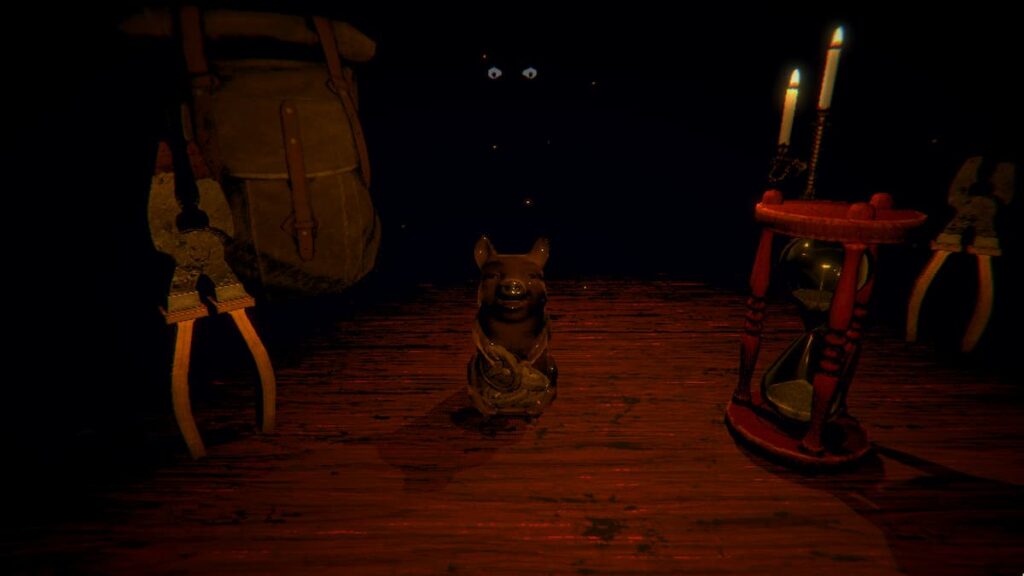
Inscryption is a great game that perhaps begins with more greatness than it ends. If you have any interest in playing, and you should, I would really not read this. Anyway, after being forced to “Continue” a game from the top menu when you start the game for the first time, you realize your character is playing a card-based board game under some duress. The game is legitimately unsettling when it dawns on you that you’re a prisoner and the in-game game you are playing likely has mortal consequences. The Frog Fractions-esque ability to step away from the board game – where you play the in-game board game – and examine your gloomy confines, all while your captor remains invisible sans his eyes, lends the game an ambiance of true horror. →  Garou: Mark of the Posts

Triangle Strategy is Better than Fire Emblem: Three Houses

For no apparent reason, I have pitted (often unrelated) things against each other since I was a child. Well, probably for deeply disturbing psychological reasons. Sega had to be universally better than Nintendo, chocolate better than vanilla, coffee better than tea, and orange juice with pulp truer to nature than that pulp-free orange water drink. No Country for Old Men is a better movie than There Will Be Blood, and Shenmue is just superior to Yakuza. In a weird variant of this psychosis, I once told a friend that Meshuggah should be a melodic metal band like the other bands from Sweden and not whatever rhythm based, incorrect metal they were. Lines must be drawn and sides must be taken, damn it.

It is in this spirit I bring you a comparison between Fire Emblem: Three Houses and Triangle Strategy. Both are SRPGs (tactical RPGs according to Chris, who has chosen different battles to fight than I) on the Switch. Both tell grand stories and are something of a throwback (one of them deliberately, the other because it kind of just looks shitty). →  Games are the sigh of the oppressed creature, the heart of a heartless world, and the soul of soulless conditions.

White Flag – Giving up on Saga Scarlet Grace and Monster Train

I recently came to the conclusion that only chumps play every game until completion. And so here is the first entry in what will likely be a long, if not entertaining, series of posts on games I gave up on. I got lucky in that both are very good games that just couldn’t hold my attention until the credits rolled.

Saga Scarlet Grace: Ambitions

Scarlet Grace is the best Saga game I have played, which is similar to being the smartest Qanon believer. The series has managed to improve in stature amongst people who care about long running JRPGs, no doubt assisted by Jeremy Parish’s constant Kawazu fawning. I am happy the games exist because having something weird and different is preferable to not having it, but the games do not really come together from what I have experienced. Yet in a twist I did not see coming, Scarlet Grace is actually pretty good.

The game is like a nice gift wrapped in the obituary section of a newspaper – combat is a lot of fun, but the plot, characters, and questing is all off putting. →  Sega Ages 2500 Series Vol. 5: Golden Post

Playing a Classic Game for the First Time: Heroes of Might & Magic 3 in 2022

I had a classic game on my shelf for literal years, unplayed. It’s not the only one – although it’s one of the more prominent ones. It’s simultaneously a symbol of the dying physical game release and the lost excess free time of my youth. It’s the Heroes of Might & Magic III collection – the base game, plus two expansions, on one DVD. I bought it at a used book store for $10.

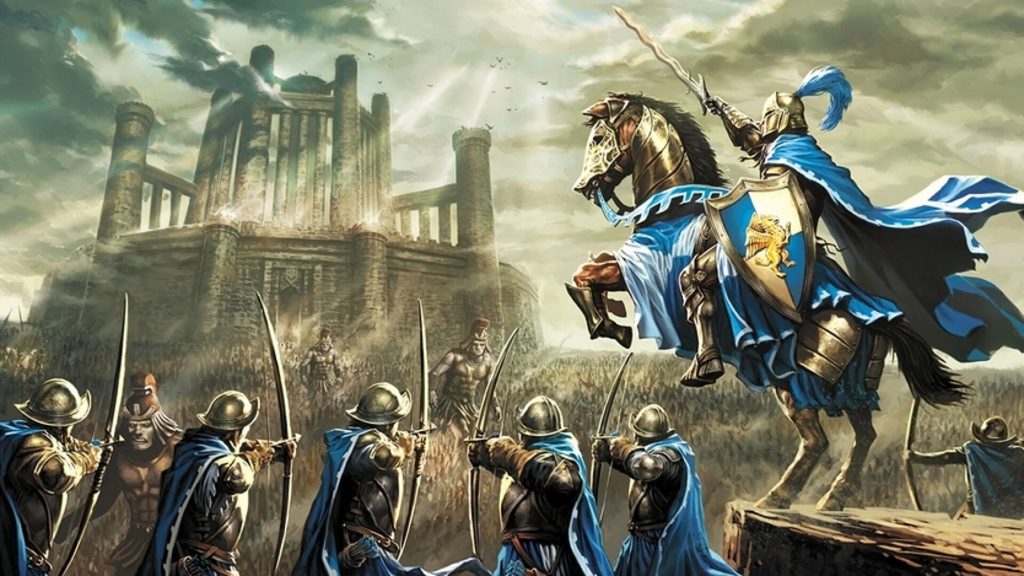
Might & Magic started as a first-person RPG series. King’s Bounty was a spin-off of that series, where you play a hero leading an army on a quest for magical artifacts. Heroes of Might & Magic then took the strategic combat of King’s Bounty and made it into a turn-based strategy game – you take command of a nation, with heroes serving as your generals. As part of a standard campaign, you send heroes out to explore and gather resources as you develop your cities enough to send armies along with those heroes. →  Article Hominid

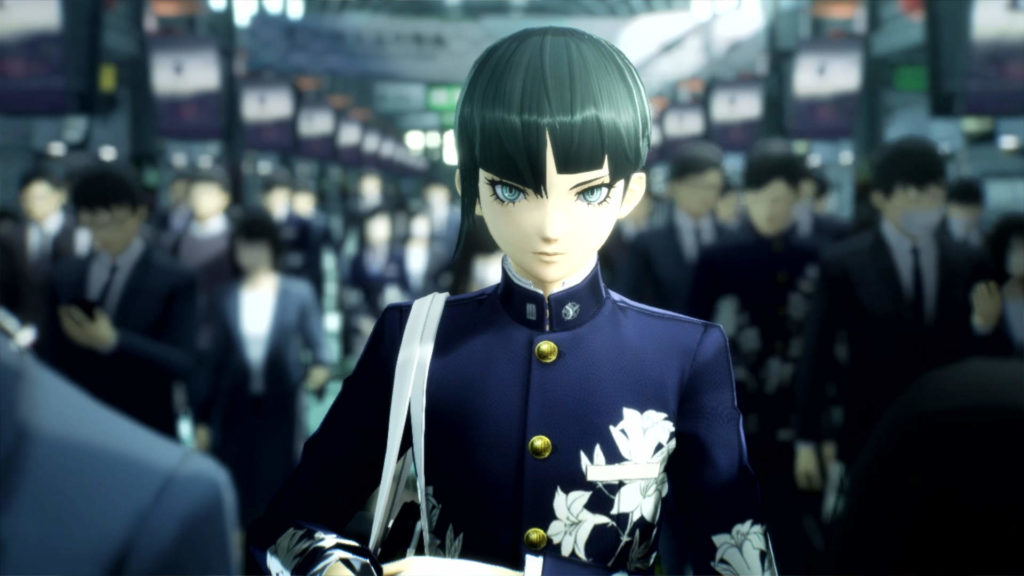
Shin Megami Tensei V, from the perspective of an SMT “fan”

I’ll start all this off with a long caveat. Shin Megami Tensei 4 on the 3DS was the first real SMT game I finished. But since Persona 1 came out on PS1, I’ve played pretty much every SMT spinoff. The core series has such an iconic identity among RPG fans – “The Dark Souls of JRPGs,” (because Souls and SMT are both accessible, you just have to put up with a lot of deaths).

Except that last part is also ironic, because the first two SMTs are (legally) inaccessible in English unless you installed them on an early Apple device years ago before they got pulled. Anyway, what I’m trying to say is that I’m the kind of person a true SMT fan hates, while anyone who’s not a true SMT fan thinks is an SMT fan. Which includes me. I’m an SMT fan.

I played and dropped Shin Megami Tensei 3: Nocturne (this one weird trick will get true SMT fans to hate you). →  Drakenread 2

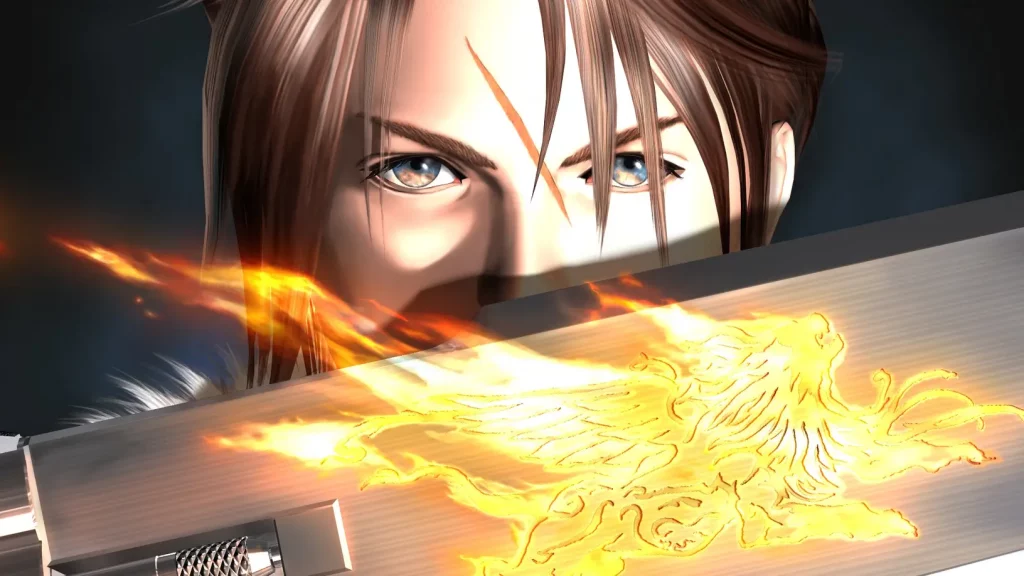
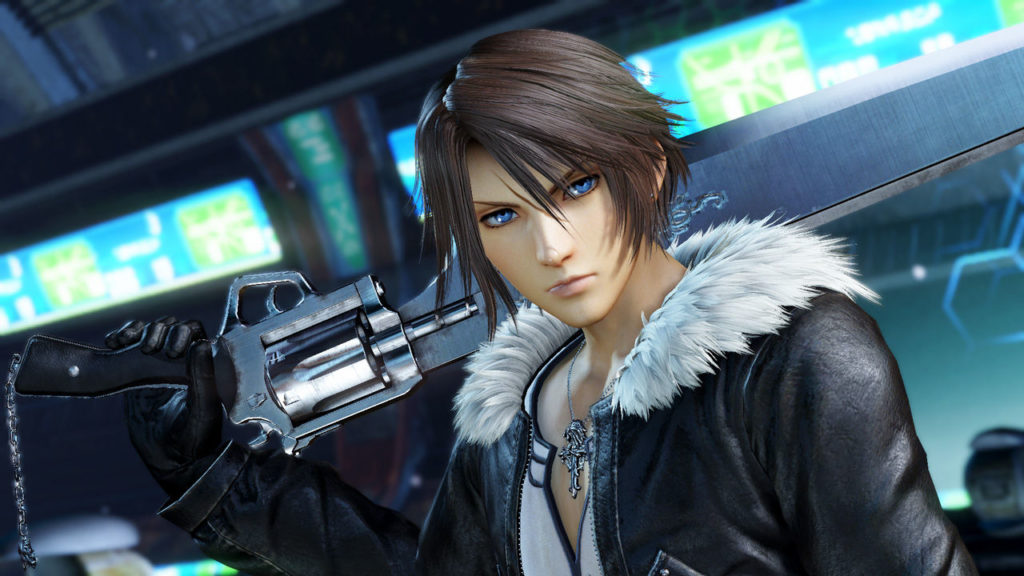
Final Thoughts on Final Fantasy VIII

In Part 3 of this 3 Part series about Final Fantasy VIII (that I never intended to be a 3 Part series about Final Fantasy VIII – Part 1 here and Part 2 here), I want to go into a bit more detail about my personal history with this game. I fully admit that this is more for me than anyone else, a sort of final bit of therapy to help me put it in the past and move on.

Final Fantasy VIII is a game I first played at launch back in 1999. I didn’t get very far.

I tried playing it again a few years later. This time I was serious about beating it. But I didn’t.

I tried again a few years after that. And again a few years after that.

I tried it twice more after rebuying it on PSP.

Then I stopped for many, many years, until they remastered it for modern consoles, complete with “hacks” that allow you to do things like turn off random battles and play at 3x speed. →  These are the games I know, I know. These are the games I know.

Final Fantasy VIII is a Weird Game

There are countless examples of games that were trashed at release, only to have their reputations rehabilitated years later upon being (re)discovered by retro game enthusiasts. Usually this is because the game in question was misunderstood or otherwise ahead of its time, both revelations which are only revealed with the hindsight and context provided by the future.

On the flip side, there are games that were beloved at release, only to be trashed years later as retro gamers discover that it didn’t age well, or that launch-day opinions were misinformed, or whatever the case may be.

But there’s a third option as well, one in which the initial impression of Game X was accurate, and remains accurate once it hits retro status. In my (admittedly limited) experience, this is the rarest take of all. This is probably due to the simple fact that tastes and opinions change as we age, though it isn’t uncommon for people to change their minds for other reasons (for example, to better align with the opinions of their peers, or to adopt a contrarian opinion for the sake of attention). →  Ultima IV: Quest of the Avatarticle

How Not to Remake: Langrisser Edition

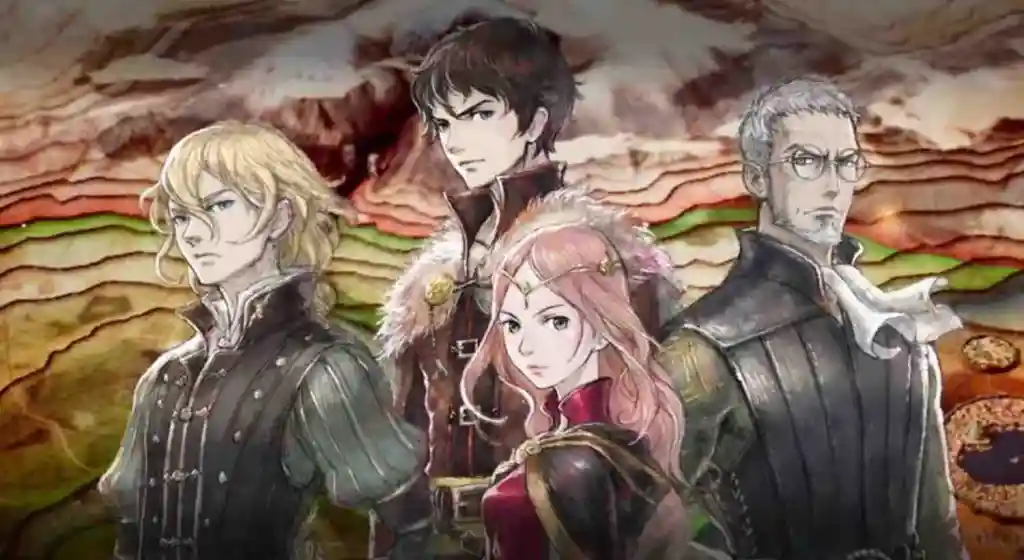
I’ve been a fan of the Langrisser series for a long time. The series’ debut entry, Warsong, is the only one that received an official localization until recently. Unfortunately, the Langrisser 1&2 remake available on most platforms is not only missing much of what makes Warsong special, it’s not even a particularly good game in its own right.

There are several things included in the remake that are actually good changes. It includes a fully viewable class change chart, with “secret” final classes spelled out (much of this was hidden in the original games). The skill system is actually a great addition as well. It gives more customization options and incentivizes exploring the tree a little more. It also gives a little more flavor to characters that are otherwise very similar, like Thorne and Hawking. Likewise, route branching is more clear – for example, you can see that things can change later on if you leave certain enemies alive in scenarios. →  Can you read me now?