Sometimes instead of sleeping, I am at work, eating, or watching tv. Those are just called days. But other times I am not sleeping but should be because it’s the middle of the night and my wife keeps yelling at me to stop using my phone. What she doesn’t realize is that I am about to stop looking at funny pictures and write something that will be of use to mankind for centuries to come, or at least fill some space on my website.
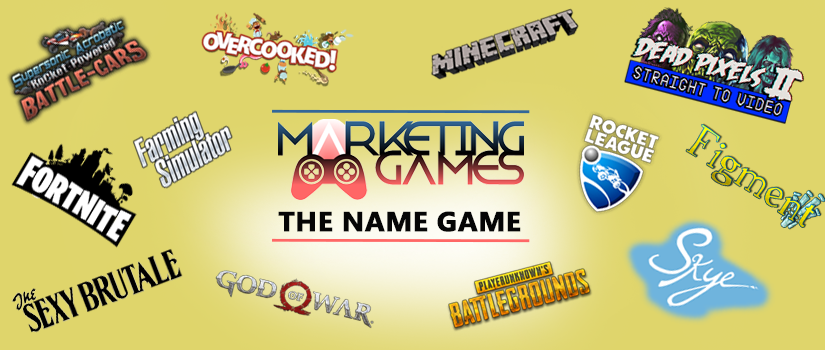
Today I present to you the results of a restless night that brought half a dozen stellar video game titles into my brain, as if sent from the cosmos, if the cosmos were really tired and somewhat incoherent. These names are being offered royalty free to any and all readers with the caveat I want my first and last name and the word “presents” before the title, ala Sid Meier but it’ll be less egomaniacal because it’s me. → Oreshika: Tainted Postlines