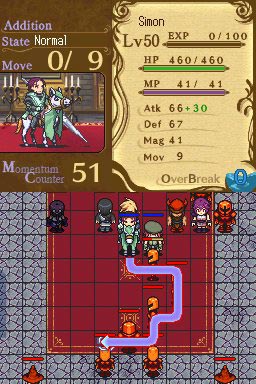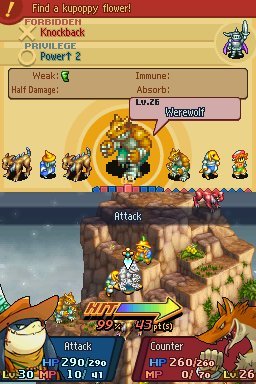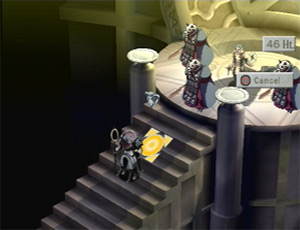
Triangle Strategy is Better than Fire Emblem: Three Houses

For no apparent reason, I have pitted (often unrelated) things against each other since I was a child. Well, probably for deeply disturbing psychological reasons. Sega had to be universally better than Nintendo, chocolate better than vanilla, coffee better than tea, and orange juice with pulp truer to nature than that pulp-free orange water drink. No Country for Old Men is a better movie than There Will Be Blood, and Shenmue is just superior to Yakuza. In a weird variant of this psychosis, I once told a friend that Meshuggah should be a melodic metal band like the other bands from Sweden and not whatever rhythm based, incorrect metal they were. Lines must be drawn and sides must be taken, damn it.
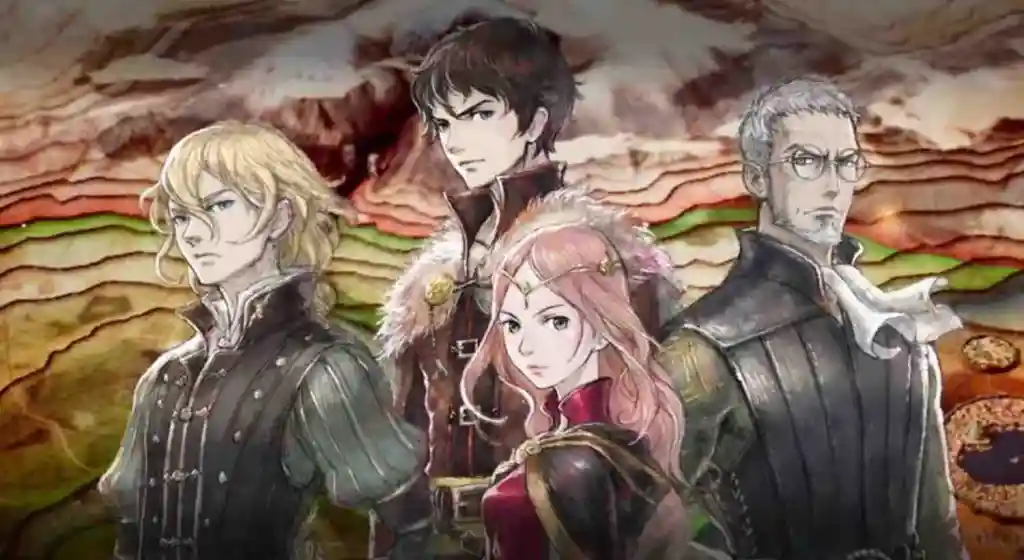
It is in this spirit I bring you a comparison between Fire Emblem: Three Houses and Triangle Strategy. Both are SRPGs (tactical RPGs according to Chris, who has chosen different battles to fight than I) on the Switch. Both tell grand stories and are something of a throwback (one of them deliberately, the other because it kind of just looks shitty). →  You had me at read more.

How Not to Remake: Langrisser Edition

I’ve been a fan of the Langrisser series for a long time. The series’ debut entry, Warsong, is the only one that received an official localization until recently. Unfortunately, the Langrisser 1&2 remake available on most platforms is not only missing much of what makes Warsong special, it’s not even a particularly good game in its own right.

There are several things included in the remake that are actually good changes. It includes a fully viewable class change chart, with “secret” final classes spelled out (much of this was hidden in the original games). The skill system is actually a great addition as well. It gives more customization options and incentivizes exploring the tree a little more. It also gives a little more flavor to characters that are otherwise very similar, like Thorne and Hawking. Likewise, route branching is more clear – for example, you can see that things can change later on if you leave certain enemies alive in scenarios. →  Imagine all the gamers playing for today

Review – Rondo of Swords

What we have already played shapes our opinions of new games. To an SRPG fan, a game like Luminous Arc is old hat. Yet people new to the genre may be taken in by the musical score, voice acting, interesting story and quality breast-focused character art. Without knowing what has come before, the game seems competent enough and can provide some good strategic fun.

The experienced SRPG fan likely sees Luminous Arc in a very different light. Its serviceable gameplay is often boring and it does very little to distinguish itself from older SRPGs beyond the innovative addition of painful load times between character turns. If you have played an SRPG or two in the past few years you will miss little by ignoring Luminous Arc. Of course if you are partial to the genre you may have already played the game and then realized the wallpaper images are the best thing to come from the design team.

Rondo of Swords would likely strike an SRPG novice as abstruse, masochistically difficult and ugly in both sight and sound. →  Finger lickin’ read.

I fought the law and the law won – Tactics A2

I picked up Final Fantasy Tactics A2: Grimoire of the Rift the other day and was initially very pleased to be playing it. I missed out on Tactics Advance on the GBA, but I am a longtime fan of the original. With about a hojillion classes, and the weapon-based learning system of FF9 (my personal favorite) I was immediately hooked.

But those details can wait for the full review. What I want to talk about is the law system. For those of you who haven’t yet played a portable Tactics, the law system is a mechanic that assigns a “law” to every battle. The laws aren’t your usual “no killing your neighbor” or “no raping your neighbor’s dog.” Instead they’re more Ivalice-relevant “no use of fire spells” or “no magic restoration items.” If you obey the law, you get bonus items at the end of the fight. In some cases, if you break the law, you fail specific quests.

This wouldn’t bother me but for two instances, one of which was annoying but possibly excusable, but a second that proves Squenix employs either sadists (possible, the Japanese have weird fetishes) or lazy programmers. →  Everyone thinks of changing the world, but no one thinks of changing memory cards.

The Trouble with Tactics

As I’m sure you can tell by my previous articles, I love RPGs and strategy games. It should follow, then, that I love the Strategy RPG genre. Just like peanut butter and pizza. Although I like some SRPGs, I have some issues with the genre, particularly the Tactical subgenre. By “Tactical”, I mean finer-scale games where you manage each individual taking part in battles.

For example, I started up Shining Force a couple months ago via the wonders of Virtual Console. I began noticing occasional oddities; enemies with low agility would move twice when my high-agility archers never got a move in, for example (Hans was useless anyways). Levels would either be quite useful or really suck.

You can’t tell from this picture, but the priest and thief are horribly under-leveled.

It may be sacrilege (and I expect to be hanged by sundown), but I didn’t especially enjoy it. To be fair, though, I no longer enjoy the original Final Fantasy 1 or the first Mega Man either. →  Mrs. Article, you’re trying to seduce me.