

It’s hard to confine everything I felt as I played Eiyuden Chronicle: Hundred Heroes to a single post. Or even to the written word. A mixture of relief, frustration, sadness, and joy in different measures and different times will have to do. It took me months to gather my thoughts enough to write about it and months more to refine it and each time I have revised I’ve felt a little different.
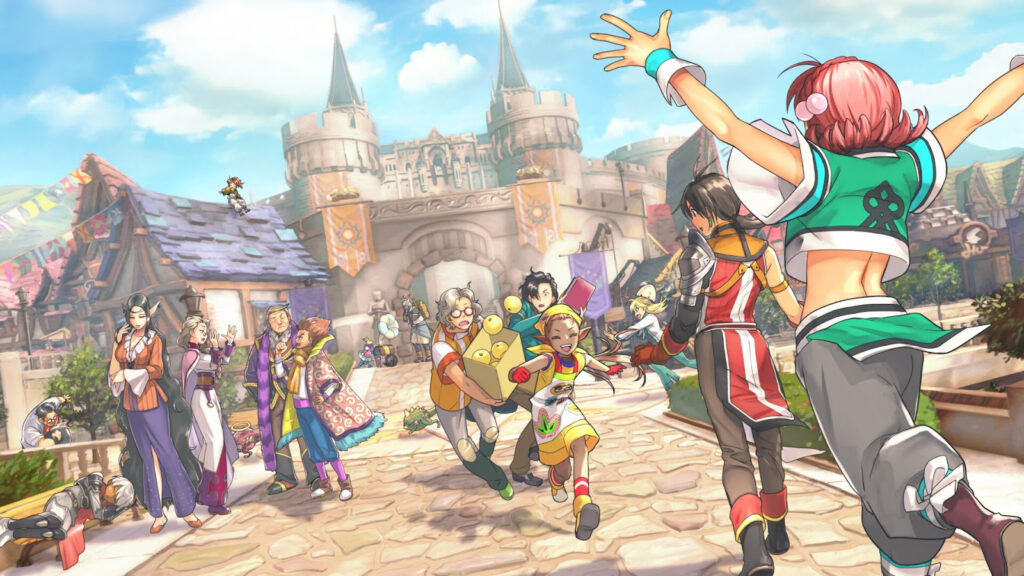
Here’s a little bit of history, since this is the backdrop for my experience with the Kickstarter. You may know the original writer behind Suikoden (Yoshitaka Murayama) left the video game industry for years. I heard he specifically wanted to limit his time at Konami and it was an amicable split. Two more Suikoden games and three more spinoffs were made afterward, and they were still pretty decent games. I’ve long been a fan of the series – their eastern flavor, their heartfelt moments, their fun and varied cast of characters and attention to both large and small scale are a breath of fresh air in a genre that mostly sticks to smaller groups, bigger stakes, and plot twists with maximal shock value.
Recently Murayama re-entered the industry with The Alliance Alive and then created the Eiyuden Chronicle kickstarter along with a team including series veterans. It was fairly successful, the action-RPG Eiyuden Chronicle Rising was released in 2022, and then Hundred Heroes came out in 2024 – unfortunately, weeks prior to its release, Murayama passed away. So, with a mixture of sadness and happiness, I downloaded Eiyuden Chronicle: Hundred Heroes.
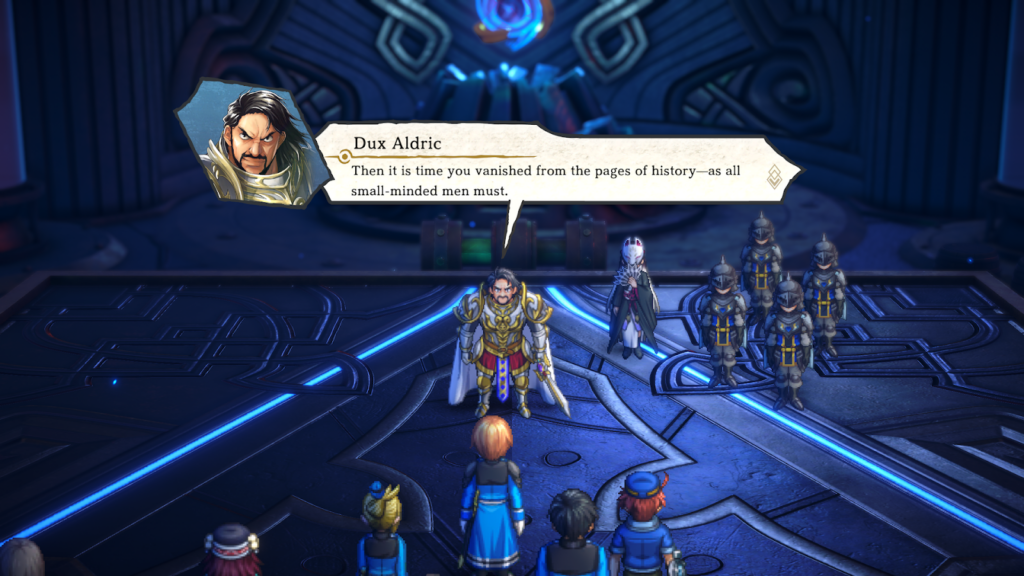
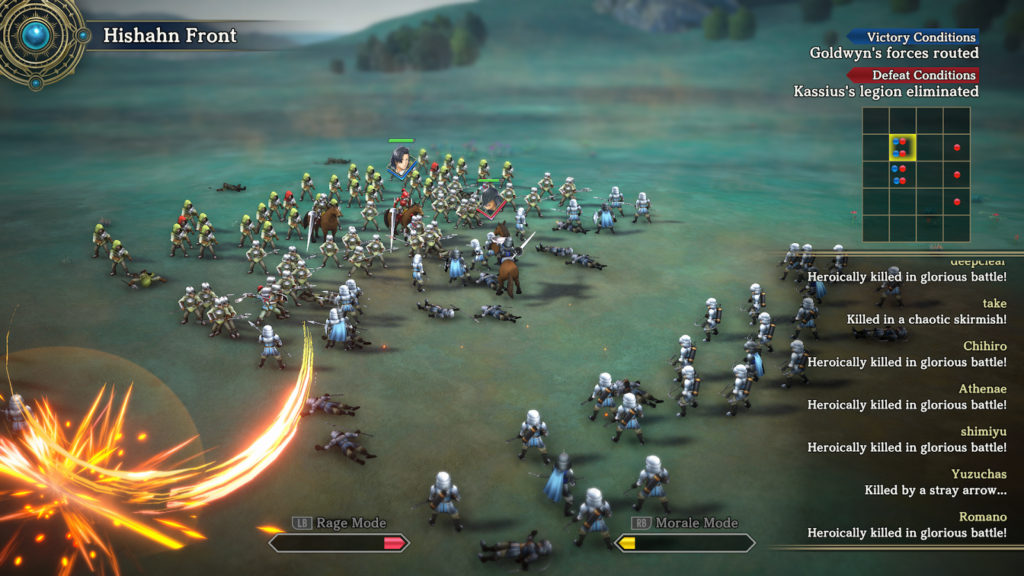
Hundred Heroes starts off with a fairly traditional setup, which is easily recognizable from Suikoden II. A League of Nations is on one side, an Empire is on the other – after bickering, both agree to a territory swap and (as a token of cooperation) a joint military exercise near the border of Grum County in League territory. The main protagonist, Nowa, and a secondary protagonist, Seign, meet here and get to know one another.
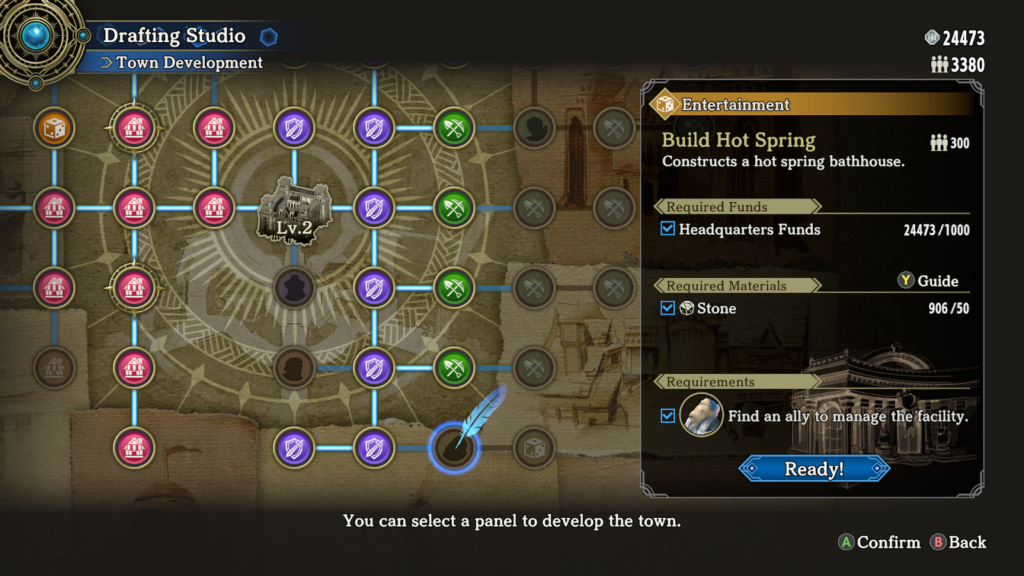
While it makes for a reasonable setup, Hundred Heroes never really veers far from “what you would expect.” This could be a weakness or a strength, since ECHH is explicitly designed as homage to, and iteration upon, a specific series. Some additions feel so natural – for example, gathering materials for construction of buildings in your HQ, which dovetails into a guild that does gathering for you – that it’s easy to not notice that it’s a new feature. Everything feels like an evolution, but nothing feels revolutionary.
Despite liking Hundred Heroes overall, and being glad it was released, when I think back on it, it mostly makes me feel grief. Not specifically about Murayama, but more about how Hundred Heroes fits into things. It can’t recapture Suikoden’s place in my mind, because I’m no longer a teenager experiencing the first or second entry of a totally new kind of RPG. Instead, I have two decades of games to compare to Hundred Heroes. While I wasn’t consciously trying to recapture the excitement from that experience, subconsciously I was hoping for it. Hundred Heroes, as I noted above, does almost exactly what you expect. It is too close to Suikoden to stand apart from it, but it is too far from it to fit into the series. As a result it just doesn’t bring that kind of joy. I don’t think anything could have lived up to my expectations, because they were fundamentally unrealistic.
This is one of the issues I have with Kickstarter campaigns. The most popular kind is going to be “I’m the person who made your favorite game, and I want to make more like it!” It is one heck of a needle to thread to make something that is distinct enough from a classic game to bring those feelings back, while being close enough to invoke the nostalgia associated with it. I think they’re practically guaranteed to be a disappointment, but I’ve pledged to a few, like this one, with the thought that at least I can directly support a creator I like.
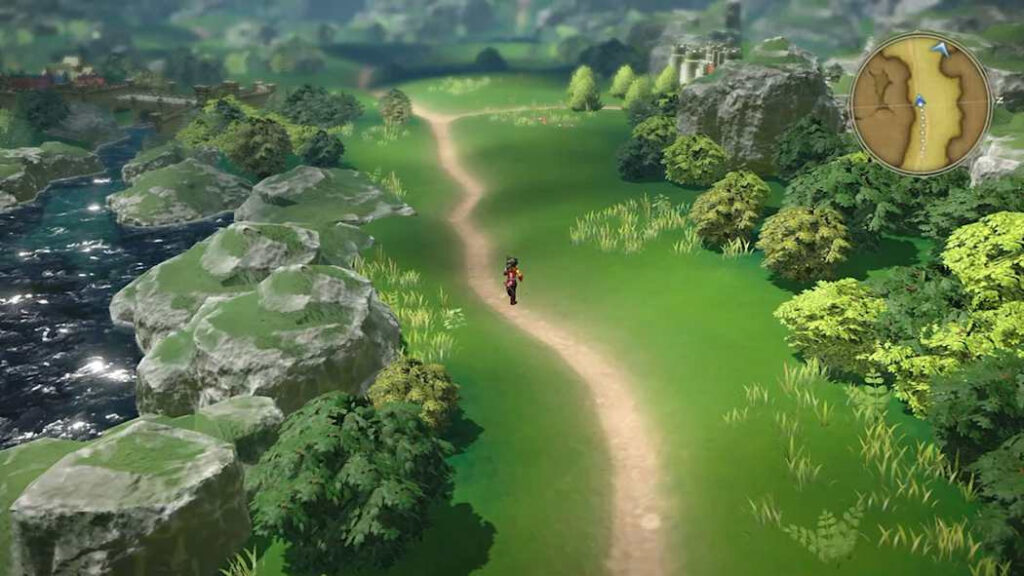
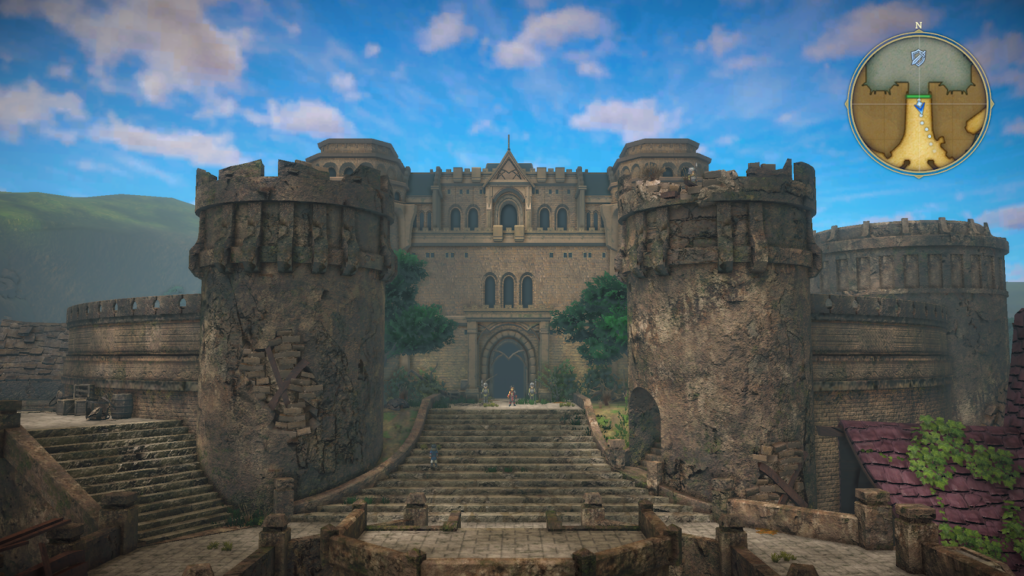
The dungeons in Hundred Heroes are fully rooted in classic JRPGs, perhaps uncomfortably so. While the dungeons might feel like home for those who grew up on early 90s-era games, those with more modern sensibilities might be put off by the “slog.” There’s limited inventory space, no post-battle HP or MP recovery, and few options to avoid fighting. I recall reading from one of the kickstarter updates that Murayama specifically pushed for this “battle of attrition” style of exploration. This level of frustration and/or challenge levels off after the first 10 hours, though, and the rest of the game is less tedious.
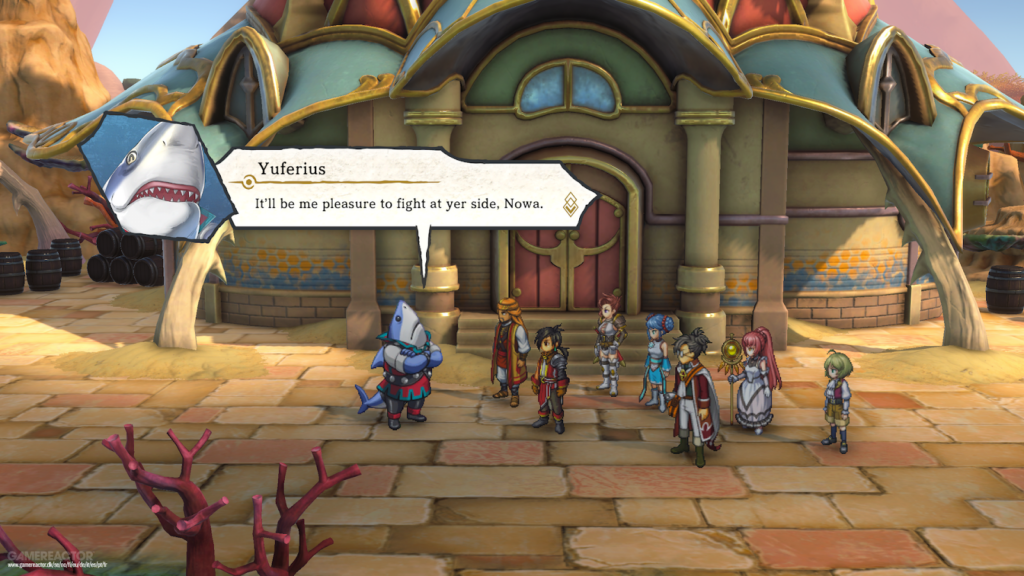
Mechanically, the new “rune lens” system is a mix of familiar and new. Each character has multiple slots for lenses. Each slot unlocks at a set level. Slots fit different categories (such as passive boosts, magic abilities, or lenses unique to a character). While this is similar to rune slots in Suikoden 2, lenses have less impact on battles and overall feel less memorable. Some characters get 6+ lens slots or have really powerful innate lenses. Others get only 4 slots or have early slots taken up by less useful innate lenses. In a game like ECHH where dozens of characters have unique context-specific dialogue, it feels odd to have many characters clearly less useful than others.
By the time you’re really in the thick of things there are chapters of the story that really feel like a new Suikoden. A good 10-15 hours of ECHH hit the right notes for me. Suikoden punched a little harder in places than Hundred Heroes does, but I can respect that Hundred Heroes doesn’t dwell on tragedy as much. There’s enough real-life tragedy surrounding its release. I think there’s plenty to like in the story of Hundred Heroes, and it’s still a rewarding game to play even for fans of the Suikoden series. I don’t think it provides as fertile a backdrop for expansion as Suikoden does, but I hope I am wrong.
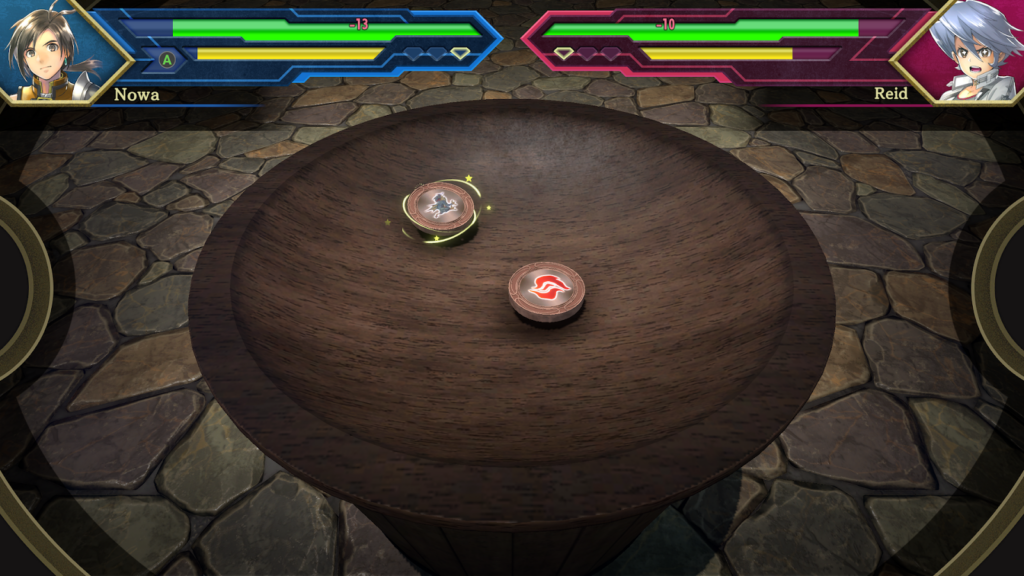
Hundred Heroes is at its best when it’s doing what Suikoden did well – weaving typical JRPG dungeon-crawling into a political story, with recruitment interspersed throughout. But it’s held back by tropes (annoying character archetypes, for example) that plague the JRPG genre. Its obsession with minigames, particularly the cliched Beyblade-like Beigoma, will likely annoy others as it did me. Hopefully further entries in the series can improve on the foundation while resolving some of Hundred Heroes’ problems.
i am also a big fan of suikoden and was excited to back and play this. maybe having several games to expand and deepen the story inevitably makes suikoden richer, but a lot of this game felt like a bit of a pale imitation to me. i did enjoy it, i played all the way through, parts of it i really liked. but overall it felt a bit like it was too focused on the superficial similarities with suikoden (recruiting) and less on using the large cast of characters to tell a compelling political and martial story.
Yeah, I was really into it for about 5-10 hours where it’s pretty focused on the political sidestory in a separate country – feels like it could’ve been an arc out of a Suikoden. But it kind of abandons that kind of storytelling to focus on side stuff which isn’t as interesting (Seign’s sidestory mid-game could’ve gone somewhere but kind of fell flat).