Phantasy Star Never Had a Theme Song

All serious JRPG series have their own designated musical theme. Or so you’d think, but one of the big three (as of 1995, I will have to check to see if anything has changed in the short time since), Phantasy Star, never had a theme for the overall series. Let’s take a quick look at the Dragon Quest and Final Fantasy themes so we are all on the same page as to what “music” is.

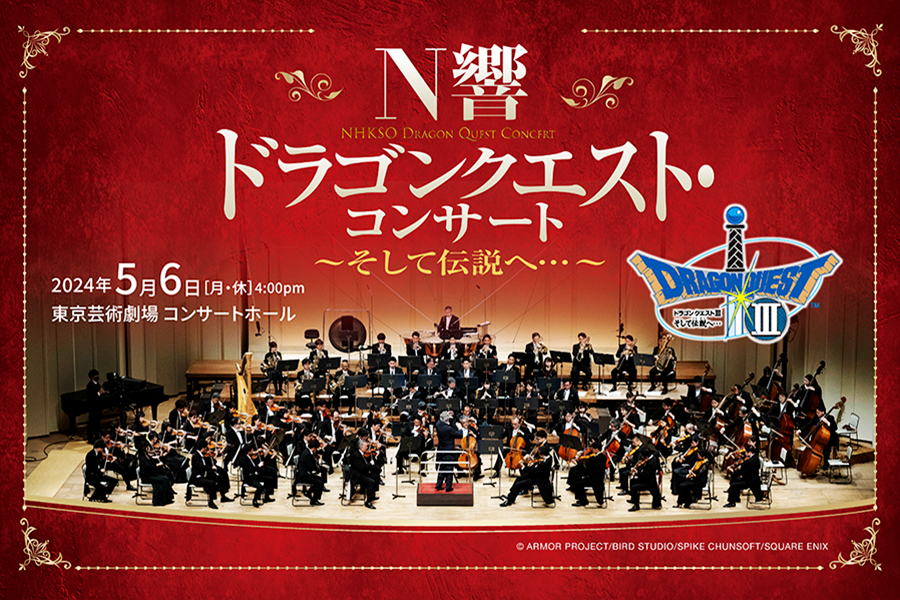
Composed by a living (now deceased) Nazi skeleton, the Dragon Quest theme set the stage for the genre’s theme tunes. Grandiose and classically flavored, it’s still in use today and immediately calls back memories of yore and other forced “old English.” Following suit, excellent composer, and as far as I am aware, acceptable human Nobuo Uematsu created a theme for the Final Fantasy series. Both of these themes have been with their series from the first entry, which is an impressive feat. Final Fantasy is so confident in its new music, it often hides its own theme deep within series entries. →  God of War: Readnarok

The Home Arcade Archive Chronicles

Continued from here

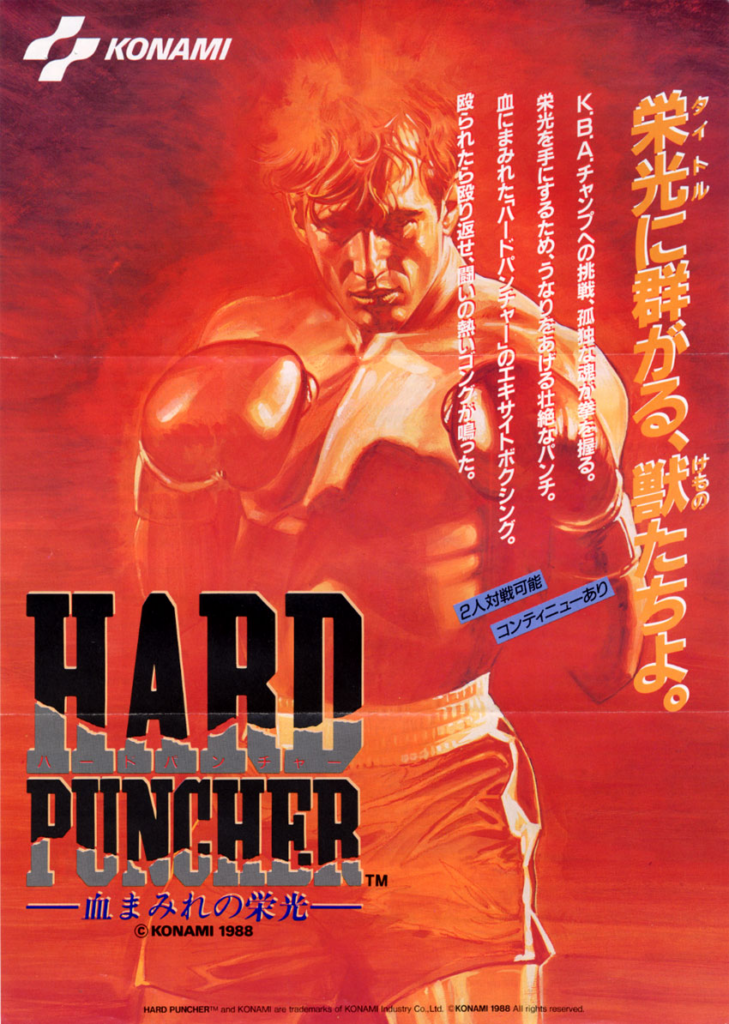
Driving home from West Virginia with Mercs in the back of my minivan, I couldn’t help but think of what to buy next. The seller we had just left also had a Final Round cabinet. Like Mercs, it was $250 which is a fair price for a working machine and monitor with no PCB in it, let alone the game called Hard Puncher: Bloodsoaked Glory in Japan. My minivan lacked the space to carry two arcade cabinets simultaneously so I told my friend Rick, who had accompanied me to West Virginia, the seller, and my wife that I would have to think about Final Round. Rick and the seller both said ‘ok.’ My wife told me to work on the machines I had since I now owned three. It seemed like reasonable advice, but I still thought about Hard Puncher the whole 90 minute drive home from left Virginia.

Back in the garage, not much progress had been made on Bad Dudes subpar monitor and Mercs was proving a pain in the ass to get wired up correctly. →  Postlanser: Heritage of Read

Shin Maou Golvellius – A Valley of Quality

videolamer’s Chris sent me a link to a sale on EGG Console games the other day. For well-adjusted people who don’t know what I’m talking about, the EGG Console is a line of old Japanese computer games rereleased for modern consoles. So like Hamster’s Arcade Archives line but for Japan only games that generally require actual reading (in Japanese) as the collection is of computer stuff. I had looked at the EGG titles years ago when it first surfaced in North America and was composed mostly of Hydlide and Xanadu but then lost track of the releases. Luckily for me, Chris knows what sort of garbage I’m into and he noticed Golvellius on the list of games on sale. I immediately bought it and then spent an hour looking into the other EGG Console games, even the ones not on sale because I am fiscally irresponsible.

The Japanese version of Miracle Warriors, my beloved mediocre Master System RPG, was apparently released on the ol’ EGG in late 2025. →  READ3R

Wednesdays with Andrew – Gunbird and Saturn Bomberman

Prior entries in this series: Introduction | NiGHTS into Dreams | Virtua Racing and more | Virtua Fighter 2 and Daytona USA | Sega CD Gaiden

Last time we covered a slew of Sega CD games that I originally presented to victim Andrew maybe a year ago. It was a pleasant detour we all thoroughly enjoyed. But now it is time to get back on track with the original intent of the project – familiarize Andrew with Saturn games before it is too late. For him, not me. I don’t plan on dying.

Gunbird may or may not be hellish

We briefly revisited Galactic Attack before playing Gunbird. Everyone had more fun with the latter as I sat there smiling politely but slowly shitting my pants in veiled anger. See, I’ve never really liked the bullet hell subgenre of shmups. My experience consists of possibly only Castle Shikigami 2, but that seemed sufficient to make a blanket judgement. (That game does have a solid plot, though.) →  Are anyone else’s nipples hard?

videolamer ignoble

Writers and people who write despite never being able to generate income with their meager abilities all know that for every published great American novel or 200 word blog post, about ten times as much never sees the light of day.  The world may never see a finished version of Kafka’s The Castle or whatever Camus was writing when Gunpei Yokoi ran him down with his car, but now the unpublished works of the videolamer staff are archived in a place accessible to all.

We present to you a trove of our lesser writings, things we were not proud enough to post here on this main website. We present to you videolamer-ignoble. When you have read everything on videolamer.com and even endured the material from the 00s but still have hours of time to fill at work, try this exciting new repository of mediocre content. It may be less entertaining, not as well written, and overall fairly rote but it will still help pass the time. →  Guitar Hero III: Legends of Read

Immobile games – Mobile games that play like console games

I have less time sitting at a desk (or couch) at home than I used to. I have a device that is more powerful than ever in my pocket, and I’ve found myself turning to that device for entertainment from time to time.

When I’m not entertained by doomscrolling or getting fed a deluge of AI-authored content (or content I’d prefer to think was authored by AI), I’ve been trying to find games that don’t addict me with pretend gambling, or for that matter real gambling. I’ve also been put off by free games with built-in advertisements. While it took a while, I have succeeded in the last year or so in playing mobile games that do not have these common mobile-game features. Here is a brief list of them for your enjoyment, because lists are the foundational content of the internet.

Kyen & Bylina: Retro PC-styled RPGs with a touch interface
These are inspired by an older mobile game series called Gurk, which is no longer available without side-loading because of OS version limitations. →  Read Read Revolution: Disney Channel Edition

Thinking about the Genesis library: Part I

The Genesis of the Idea

I’ve been sitting with an unfinished version of this post for half a year. Making up incorrect theories about the Master System is fun because few people actually care enough to be mad at me, but the Genesis is the big leagues. I’ve settled on splitting the ideas I have about the Genesis library into two main parts, one about their first party output and one about third party support. This gets a little muddled because I cover internally developed, developed by a company Sega owns, and at times third party games published by Sega in this first post that’s supposed to be on first party efforts, but I try to clarify what is being discussed.

Similarly to the thesis of my Master System writeup, Sega did the majority of work supporting the Genesis with games – Sega developed 80 titles internally for the Genesis, while Nintendo internally developed 24 SNES games. This was done both by direct development but also a large number of publishing deals. →  U R Not lamE.

Wednesdays with Andrew Gaiden – Sega CD

Prior entries in this series: Introduction | NiGHTS into Dreams | Virtua Racing and more | Virtua Fighter 2 and Daytona USA

Long before Andrew came to me, tears in his eyes, confessing his immense regret for not buying and exclusively playing the Saturn – which resulted in the world famous Wednesday’s with Andrew series (everyone on Neptune has read it) – we spent significant time (upwards of 3 hours) playing Sega CD games. Or more like he would come over and have an adult conversation with my wife while I would force the controller into his hands and demand he play whatever new disc I had just popped in. Whatever the case, we played a fair number of Sega CD games and even enjoyed some of them even if I deliberately focused on inflicting pain with most of my choices – as any good friend would. What follows is the chronicling of our time spent playing together, or at least some random observations and jokes. →  We have nothing to lose but our games.

My growing collection of game collections

My friend Shota and I were arguing the other day about what is to be done. He took what I would describe as a mild and possibly self-defeating attitude regarding ideology and he accused me of an all or nothing approach that was ultimately more likely to paralyze than inspire. I see value in clearly defining the mountain we are moving towards regardless of if we ever reach it. It provides direction and can keep us from chasing waterfalls, or even making phony calls. Our conversation was vague enough to be applicable to the desire of achieving world socialism or the viewing of every episode of Double Dare. Of course both of us are much more mired in the academic than actual praxis because we generally desire to be seated on couches rather than interacting with strangers.

Shota’s incremental position may seem politically defensible to cowards unwilling to have grandiose, unprovable ideologies that implode the moment they meet reality but it has been my experience that the absence of a grand vision hampers coherent video game collecting. →  Max Post 2: The Fall of Max Post

How many games does it have?

In the olden days, the number of games on a system was an important consideration for prospective customers. Magazines would track this information and ads would sometimes mention numbers. Children on the street wouldn’t stop telling you how many games their console had. There was a time when the early 16 bit (and 8 bit masquerading as 16) consoles came out and only tens of games were available. This was partly the result of the 8 to 16 bit console changeover being the first generational shift in the modern game system era as we know it. The Atari 2600 to NES transition was atypical in that, at least in the US, the console game market was in ruins. Plus, as opposed to Atari during the market’s adoption of Nintendo, the NES was still making companies a bunch of money – Sega and NEC were less proven, especially in Japan and the states respectively.

Today, it’s understood that a new system may launch with only 10 or 20 or however many games but more will be coming soon, so competitors rarely boast of the number of titles available on their platform. →  Fear the old posts.