Connecting Old Consoles to New TVs: Now with Fewer Details

My old Pioneer plasma that now lives in a closet covered in a blanket had a lot of video inputs. Component and VGA inputs were casualties of my recent upgrade to OLED. Time marches on, unless you still want to play old game consoles or accidentally slip and fall and become frozen in a crevasse. Then, assuming you fall into the former and not the frozen category, you need to decide if composite video is sufficient for your fully-thawed, unconventional, yet not uncouth tastes.
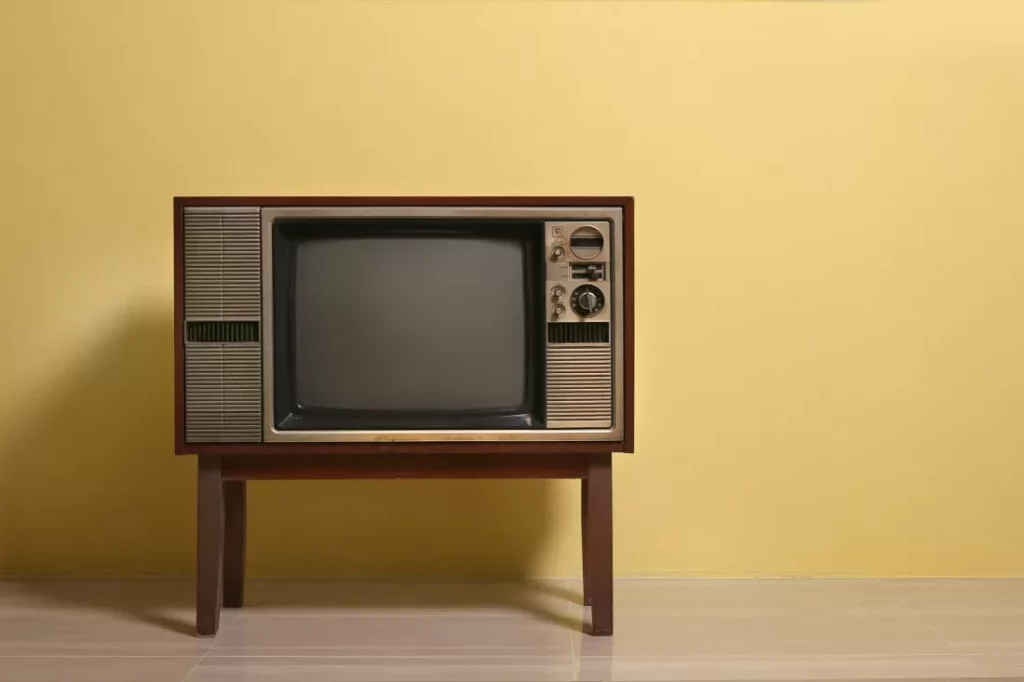
For me, composite would not do, partly because I realized my new TV was capable of it only after I finished the project I will be explaining in excruciating detail. This fact aside, in order to get the best picture out of the old games I always plan to play but rarely do, I learned I would need to embark on a potentially never-ending-always-spending project. And now you can, too!

First, a quick technology primer written by a layman for other people who reworked their major’s required credits to not require college level electronics. →  The post still burns.
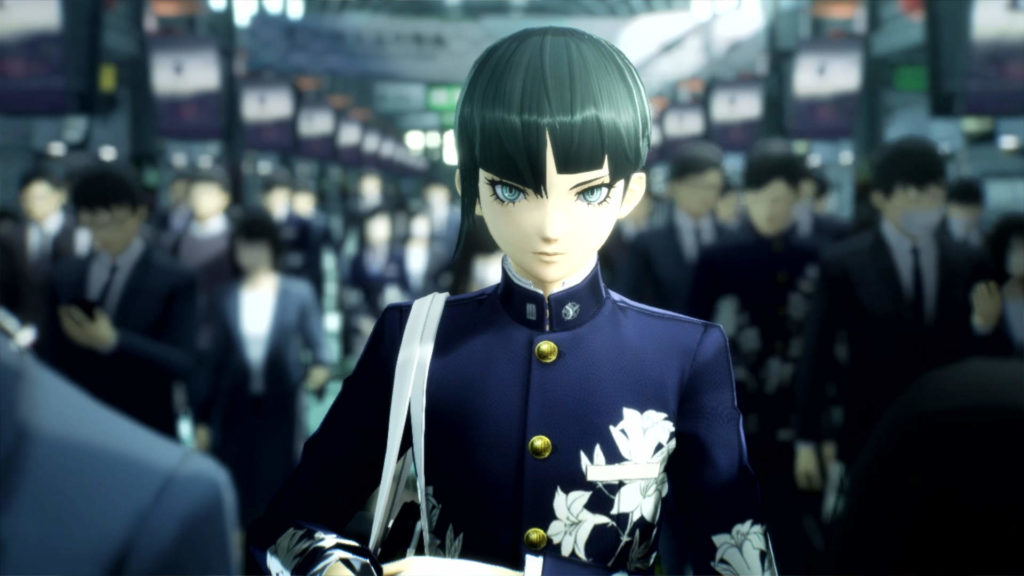
Shin Megami Tensei V, from the perspective of an SMT “fan”

I’ll start all this off with a long caveat. Shin Megami Tensei 4 on the 3DS was the first real SMT game I finished. But since Persona 1 came out on PS1, I’ve played pretty much every SMT spinoff. The core series has such an iconic identity among RPG fans – “The Dark Souls of JRPGs,” (because Souls and SMT are both accessible, you just have to put up with a lot of deaths).

Except that last part is also ironic, because the first two SMTs are (legally) inaccessible in English unless you installed them on an early Apple device years ago before they got pulled. Anyway, what I’m trying to say is that I’m the kind of person a true SMT fan hates, while anyone who’s not a true SMT fan thinks is an SMT fan. Which includes me. I’m an SMT fan.

I played and dropped Shin Megami Tensei 3: Nocturne (this one weird trick will get true SMT fans to hate you). →  I only ask one thing. Don’t read in my way.

Timely Thoughts on Mega Man 8

This is one of two mainline Mega Man games that got away from me (the other being MM10). This is the first time I’ve ever played Mega Man 8 in any capacity. And I’m here to tell you that it’s not all that good.

This game is very much a product of its time. The 32-bit console era was a period of great transition, as the industry not-so-gradually pushed into 3d gaming. When it came to old, existing franchises from the 2d era, this led to a bit of a crisis. As in animation, gaming had to deal with the fact that a lot of its audience quickly came to the conclusion that 3d graphics were better than 2d as a matter of course.

You could make a gorgeous 2d game on the Playstation (or Saturn) hardware with huge levels and interesting mechanics, and there would be a significant contingent of players who would simply refuse to play it. Or you could just make a decent looking game that played like it’s predecessors from the 8 or 16-bit eras, and there would be a significant contingent of reviewers who would ding it for being old fashioned. →  Apply directly to the forehead.

10 Steps to Making Money with a Gaming Blog

People often ask me why I waste my vast cornucopia of knowledge of all things business on a minuscule website. I can afford to do this because I retired at the age of 14 after selling multiple blogs for millions of dollars a pop. This site provides a platform to share my expertise without the threat of anyone emailing for follow up information. Follow the 10 steps below (each as important as the last and therefore all assigned the number 1) and you, too, can retire at 14 by selling your weblog.

  1. Choose how much you want to make

The first step anyone reasonable takes before doing anything creative is to analyze the market and choose a segment that matches desired returns. How much would you like to make from blogging? Assuming you chose billions, we can then conclude you need to write about video games. There may be skeptics who are unaware games are a $280 billion a year industry and so I will spell it out in painful detail for these slower than average readers. →  Read Read Revolution: Disney Channel Edition

Some Favorite, Disappointing, and Interesting Games from 2012-2016 part 3

In this final part (part 1 here, part 2 here) of this series looking back at the years videolamer spent wrongfully imprisoned over a trumped up jaywalking charge, I look back at the many games that left an impression on me. Just not enough of an impression to have more than a few paragraphs to say about them.

Virtue’s Last Reward

Virtue’s Last Reward disappointed me on multiple fronts. The tone of the game is different from its predecessor 999’s because, according to an interview, the overt horror theme hampered sales in Japan. And so VLR tones it down. This is a big blow to the game; 999’s plot is stupid bullshit, yet it managed to be compelling because of the palpable tension. People could and did die in the game, including your character on most paths, and that made the game thrilling despite the paranormal pseudoscientific plotline and anime tropes. By stripping the horror and thus the tension from the game, Virtue’s Last Reward is just a mess of dumb plot contrivances, convoluted twists, and characters in questionable clothing. →  Ys: The Article of Napishtim

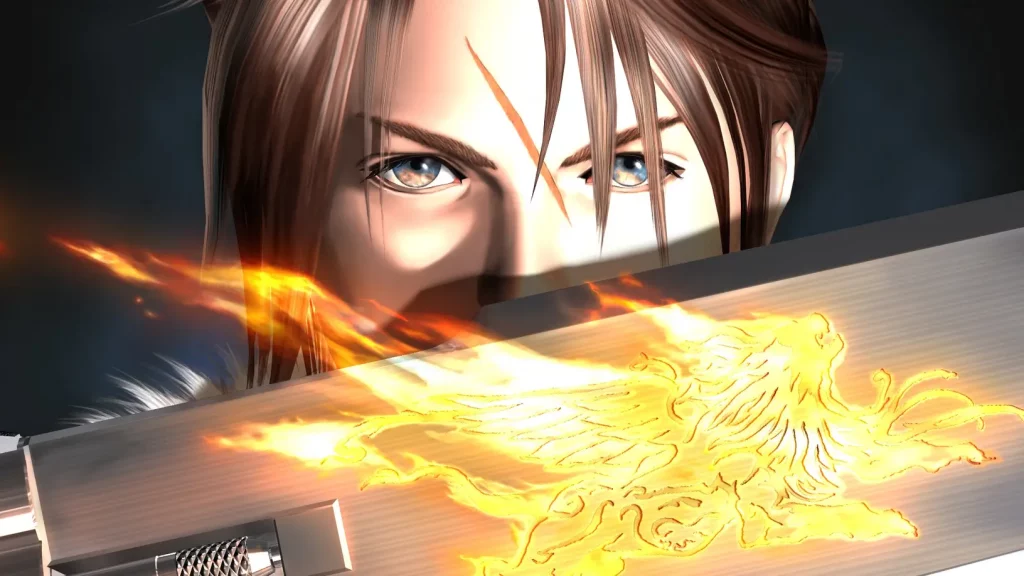
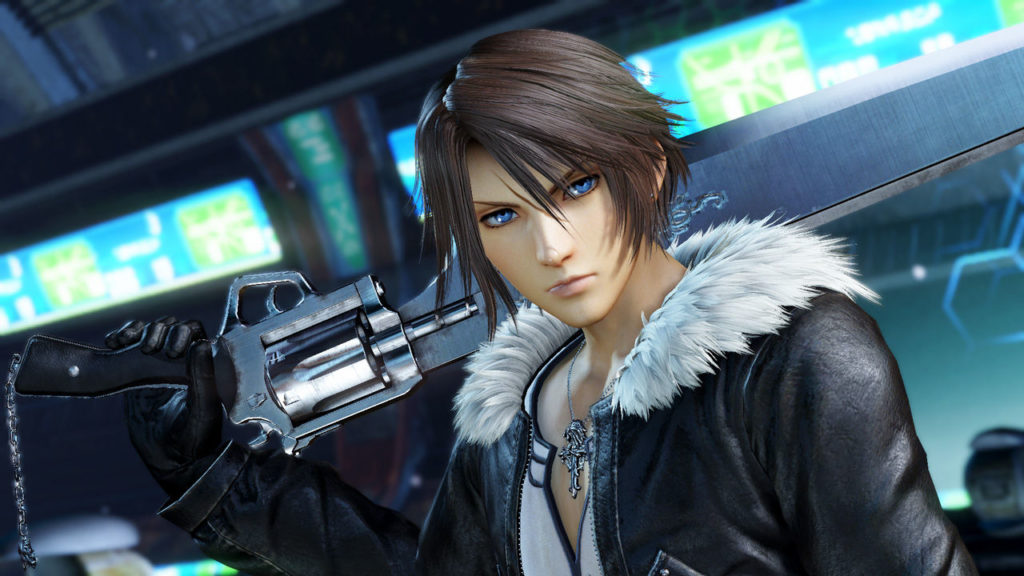
Final Thoughts on Final Fantasy VIII

In Part 3 of this 3 Part series about Final Fantasy VIII (that I never intended to be a 3 Part series about Final Fantasy VIII – Part 1 here and Part 2 here), I want to go into a bit more detail about my personal history with this game. I fully admit that this is more for me than anyone else, a sort of final bit of therapy to help me put it in the past and move on.

Final Fantasy VIII is a game I first played at launch back in 1999. I didn’t get very far.

I tried playing it again a few years later. This time I was serious about beating it. But I didn’t.

I tried again a few years after that. And again a few years after that.

I tried it twice more after rebuying it on PSP.

Then I stopped for many, many years, until they remastered it for modern consoles, complete with “hacks” that allow you to do things like turn off random battles and play at 3x speed. →  Read it your way.

Some Favorite, Disappointing, and Interesting Games from 2012-2016 part 2

Continuing from Part 1, we look back at the many years videolamer was in a tragic, medically induced coma in an attempt to prevent rabies from spreading to the brain in this, Part 2 of Some of the Dumb Games we missed series.

Cunzy

The Starship Damrey

I fondly remember the Guild series of games on Nintendo 3DS as polished but fun little experiments but by far my favourite is The Starship Damrey. The 3DS had a few genuinely haunting horror games, my heart still can’t take Dementium: The Ward, but The Starship Damrey perfectly created a sense of unease, despite there not really being too much in the way of threat. Of course the game kicks off with you waking from cryo-sleep and of course you have amnesia and then for most of the rest of the game you explore the titular Starship via a remote operated vehicle. Pulling together the threads of what happened on the ship via some point-n-click puzzles is compelling and there are a few bumps in the night on the way. →  Ba da bam ba baa I’m readin’ it.

White Flag of Freedom – Why not give up on a game?

There is something almost therapeutic about finishing a game. Another accomplishment, another disc to put back on the shelf (metaphorically if you are not obsessed with collecting slowly decaying physical media), and the freedom to move on to another game without the slightest twinge of guilt, regret, or sense of failure.

Completing games has been enshrined in the culture by sites like Backloggery and How Long to Beat. I have a 6 year old spreadsheet I use to track what I finish and know other people who do the same. Gaming forums have threads on backlogs frequently; many of us feel the weight of our unfinished games.

Why do we want to finish games, and should we? You’re right, those are good questions. Let’s dive into the why first. I have heard our drive to complete games described as internalized capitalism, oddly enough from self-professed once-libertarian Heather Anne Campbell (shout out to my Elysium comrade Nick Weiger). I am a sucker for any explanation that blames capitalism for a problem (guess why this website isn’t bigger than Google) but I am not entirely won over this time. →  The Last Readment

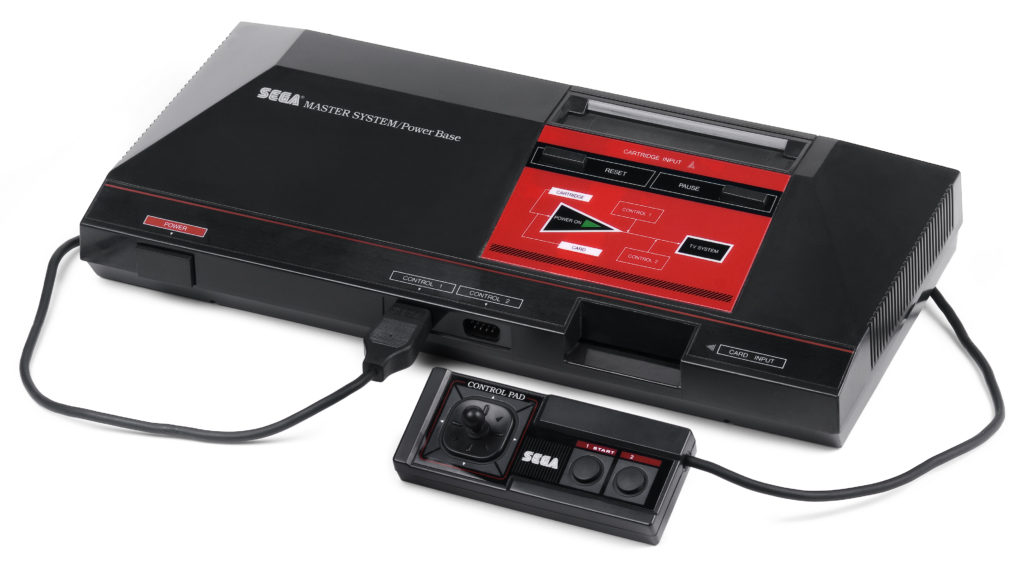
Who was brave enough to pioneer unique console names?

The first video game console was the Magnavox Odyssey. The follow up to that system was a series of consoles that appended a number after the word Odyssey. This was just good business sense. Why confuse customers by changing the name of your product? Atari saw the wisdom in maintaining a name and followed the 2600 with the 5200, publicly declaring it twice as good. There are other generational products beyond consoles but my mind jumps to the automobile as a template for how to treat new models. It would be bizarre to rebrand the Honda Accord next year with a new name (the Honda Discord, obviously) and then continue to do so with each significant rehaul. It would just be bad business.

Unique console names ended when giant corporations Sony and Microsoft moved into the video game space, but where did they start? As with most things, I believe we have Sega to thank. [In full disclosure, I began working on this post when I was struck by non-branded curiosity – I actually didn’t know where unique major console names came from. →  Please sir, can I have some more?

Final Fantasy VIII is a Weird Game

There are countless examples of games that were trashed at release, only to have their reputations rehabilitated years later upon being (re)discovered by retro game enthusiasts. Usually this is because the game in question was misunderstood or otherwise ahead of its time, both revelations which are only revealed with the hindsight and context provided by the future.

On the flip side, there are games that were beloved at release, only to be trashed years later as retro gamers discover that it didn’t age well, or that launch-day opinions were misinformed, or whatever the case may be.

But there’s a third option as well, one in which the initial impression of Game X was accurate, and remains accurate once it hits retro status. In my (admittedly limited) experience, this is the rarest take of all. This is probably due to the simple fact that tastes and opinions change as we age, though it isn’t uncommon for people to change their minds for other reasons (for example, to better align with the opinions of their peers, or to adopt a contrarian opinion for the sake of attention). →  Look upon my works, ye mighty, and read!