
Review of Samus Returns for the 3DS

Samus Returns is a game that wants to be something, but can’t. After all, it is a remake of an existing game, Metroid 2: Return of Samus. On top of that, not only is the original game a beloved classic, but it’s also very old, and runs on a piece of hardware that was outdated even when it was brand new.
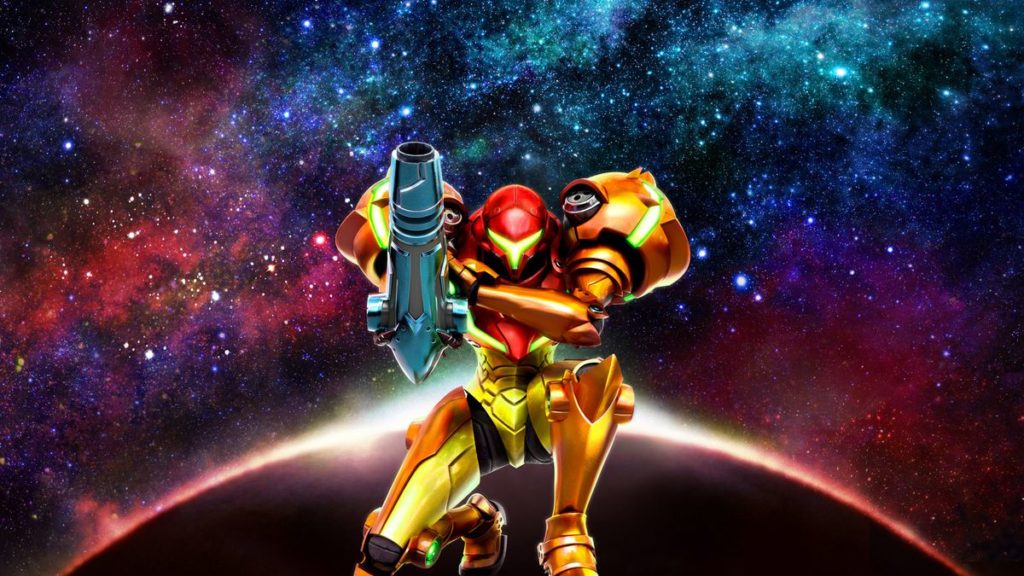
All of these factors work to dictate what a game like Samus Returns can and cannot do. By the rules of Modern Videogame Design, the following elements of 1991’s Return of Samus are unacceptable:

  • Its stark, mostly-black backgrounds.
  • It’s creepy chiptune music, despite the fact that it helps to create a certain mood that is absolutely perfect for the game’s setting.
  • The fact that the planet is mysteriously drained of deadly acid as you kill Metroids.
  • The relative lack of upgrades compared to other, more advanced Metroid games.
  • The general lack of story elements.

All of these things get “fixed” by Samus Returns, and the result is an experience that feels all too predictable:

  • The backgrounds are now filled with stuff: ancient ruins, (still working) mining equipment, robotic defense systems.
 →  Is that an article in your pants, or are you just happy to read me?

How Not to Remake: Langrisser Edition

I’ve been a fan of the Langrisser series for a long time. The series’ debut entry, Warsong, is the only one that received an official localization until recently. Unfortunately, the Langrisser 1&2 remake available on most platforms is not only missing much of what makes Warsong special, it’s not even a particularly good game in its own right.

There are several things included in the remake that are actually good changes. It includes a fully viewable class change chart, with “secret” final classes spelled out (much of this was hidden in the original games). The skill system is actually a great addition as well. It gives more customization options and incentivizes exploring the tree a little more. It also gives a little more flavor to characters that are otherwise very similar, like Thorne and Hawking. Likewise, route branching is more clear – for example, you can see that things can change later on if you leave certain enemies alive in scenarios. →  May God smite me if I stop reading here!